
The author
Andrew Moore
Andrew Moore writes cookbooks for people who have just been told to change the way they eat — less sugar, less salt, no gluten, a calmer stomach — and still want dinner to taste like dinner.
Every book starts with the food you miss most: pizza night, crispy chicken, creamy pasta, brownies. Each recipe is rebuilt for the diet with supermarket ingredients and short steps, and shows the numbers that matter: net carbs, sodium or protein.
Each book comes with a done-for-you meal plan, because the hard part of a new diet is not one recipe, it is the next 30 days.
A private chef before a cookbook author
Andrew is a chef. He has cooked in the United States, Spain and Greece, and worked as a private chef for families.
Cooking for families taught him that the older we get, the more the food on the plate matters. For him, staying well starts with the right ingredients and with meals at regular hours.
Some of the people he cooked for had been told to cut salt, to watch their blood sugar or to calm reflux. He built dishes for those tables that kept to the limit and still tasted like the food they loved. When his own health made him change how he ate, the Mediterranean way of eating is what he chose for himself. That is where these books began.
What I got wrong first
Chicken put straight into sauce comes out pale, and it tastes of the sauce and of nothing else. Brown it first, every time. Raw potato and cooked beef do not finish together, which is why the potato gets four minutes in water before it meets anything else, and it is the step most versions leave out. Basil goes in as short pulses, because a running motor bruises the leaves and you can watch the green turn brown.
Two decisions about salt
A long brown stew wants something sharp by the third spoonful, and a spoon of vinegar off the heat does more for it than salt ever does. And a recipe that already contains a salty ingredient gets no salt of its own. Where there is feta, or olives, the seasoning arrived with them. It is the easiest sodium in the book to lose without anybody noticing it has gone.
How a recipe gets into a book
The method is checked against how the best-known recipe sites cook the same dish, and every difference is on purpose. Then each card is read line by line before print: the order of the ingredients, the times, the temperatures, and whether the numbers add up.
The numbers on each page are worked out from the ingredient list and divided by the servings. None of them are typed in by hand. How we count.
Whether these figures suit you is a question for your doctor or a registered dietitian, not for a cookbook.
Books by Andrew Moore
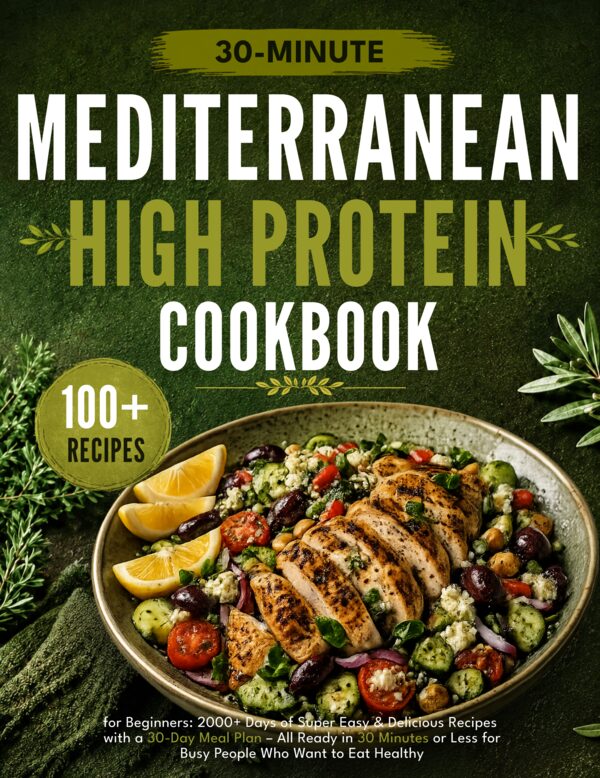
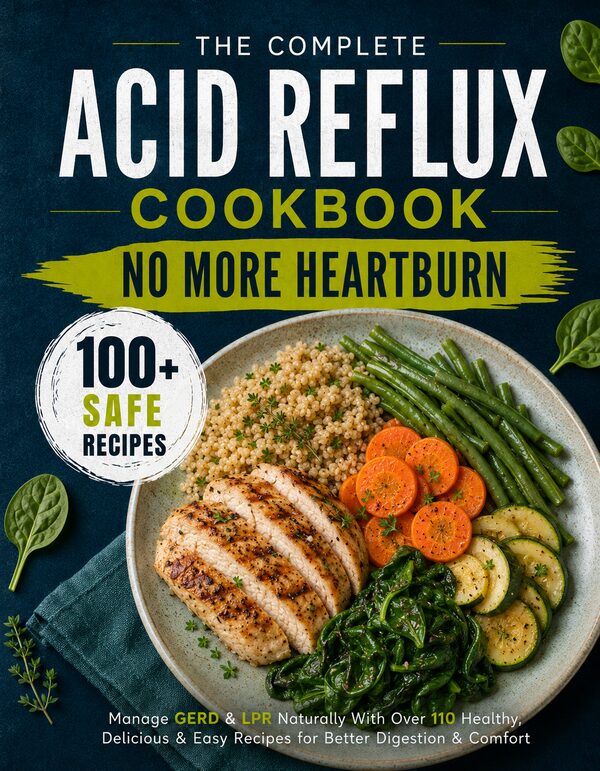
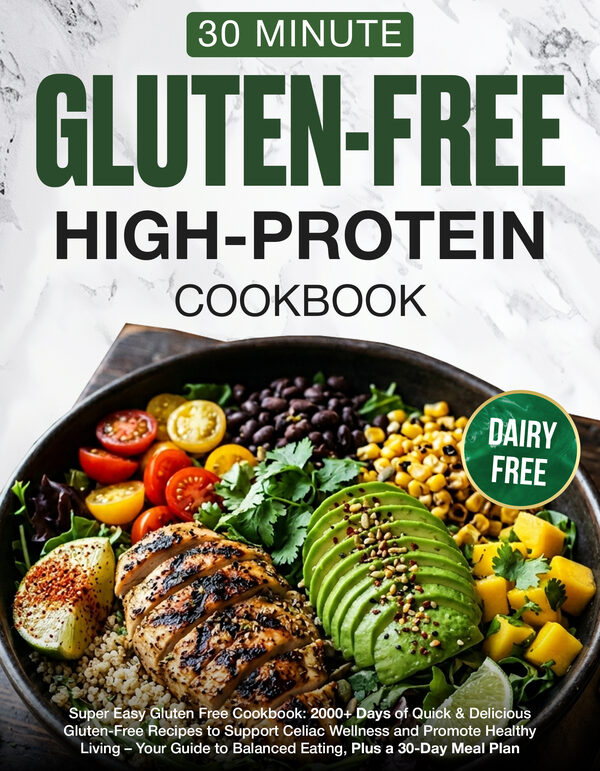

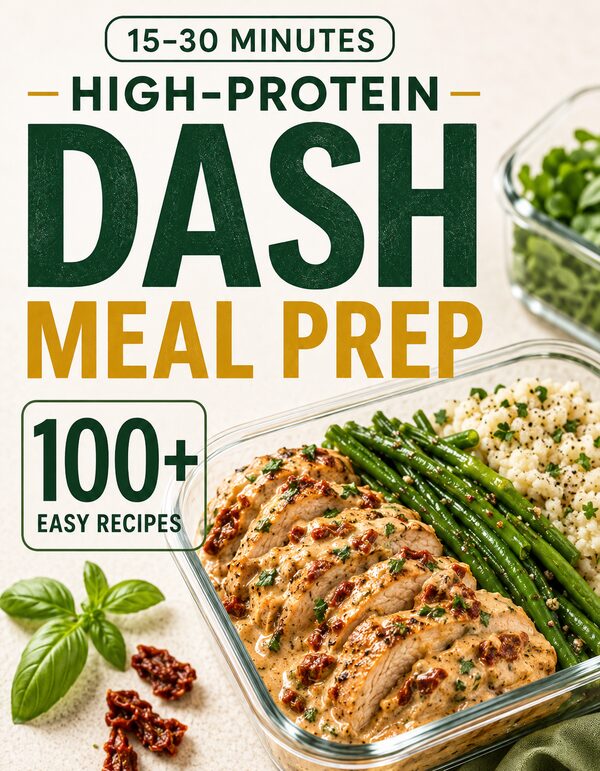
Recipes by Andrew Moore
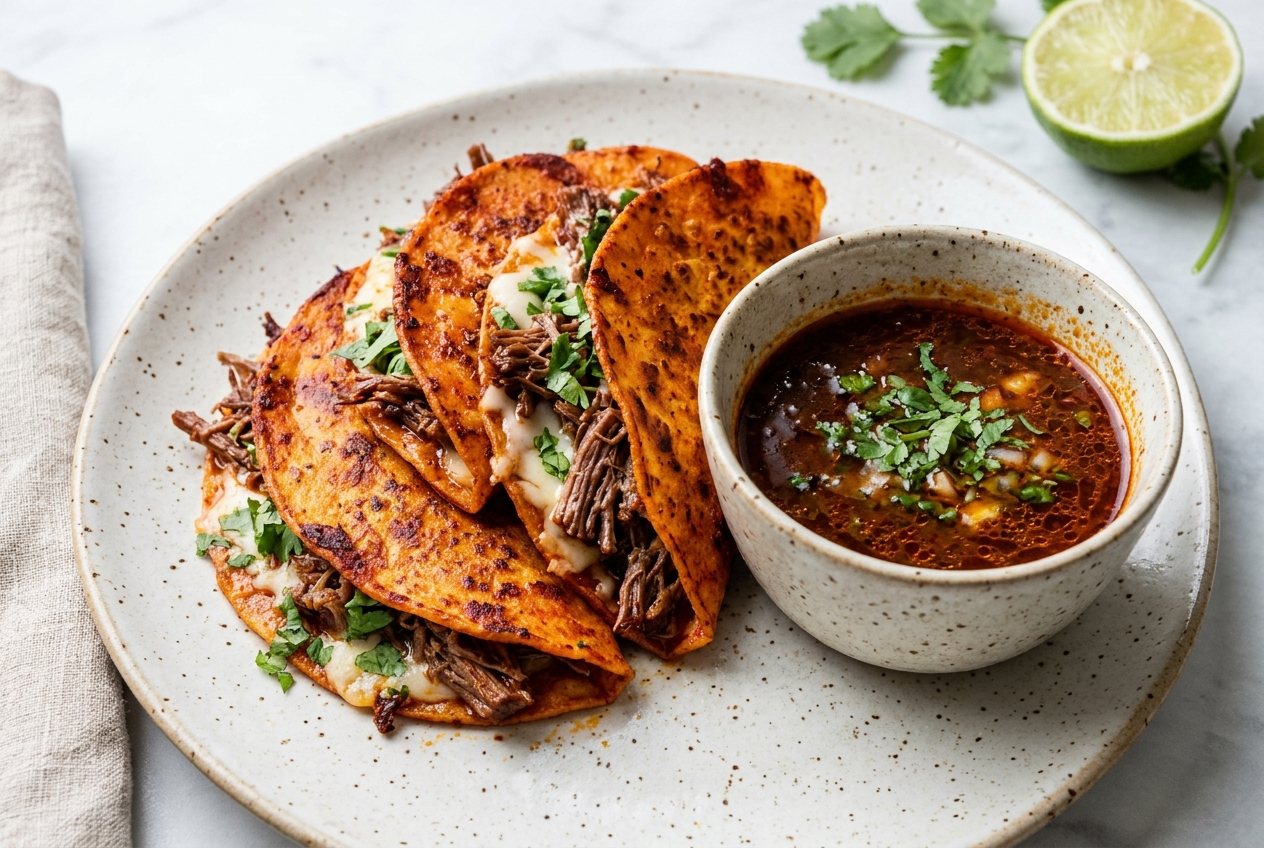
Birria-Style Beef Tacos with Dipping Broth
33 g net carbs · 235 mg sodium
30 g+ proteinunder 300 mg sodium
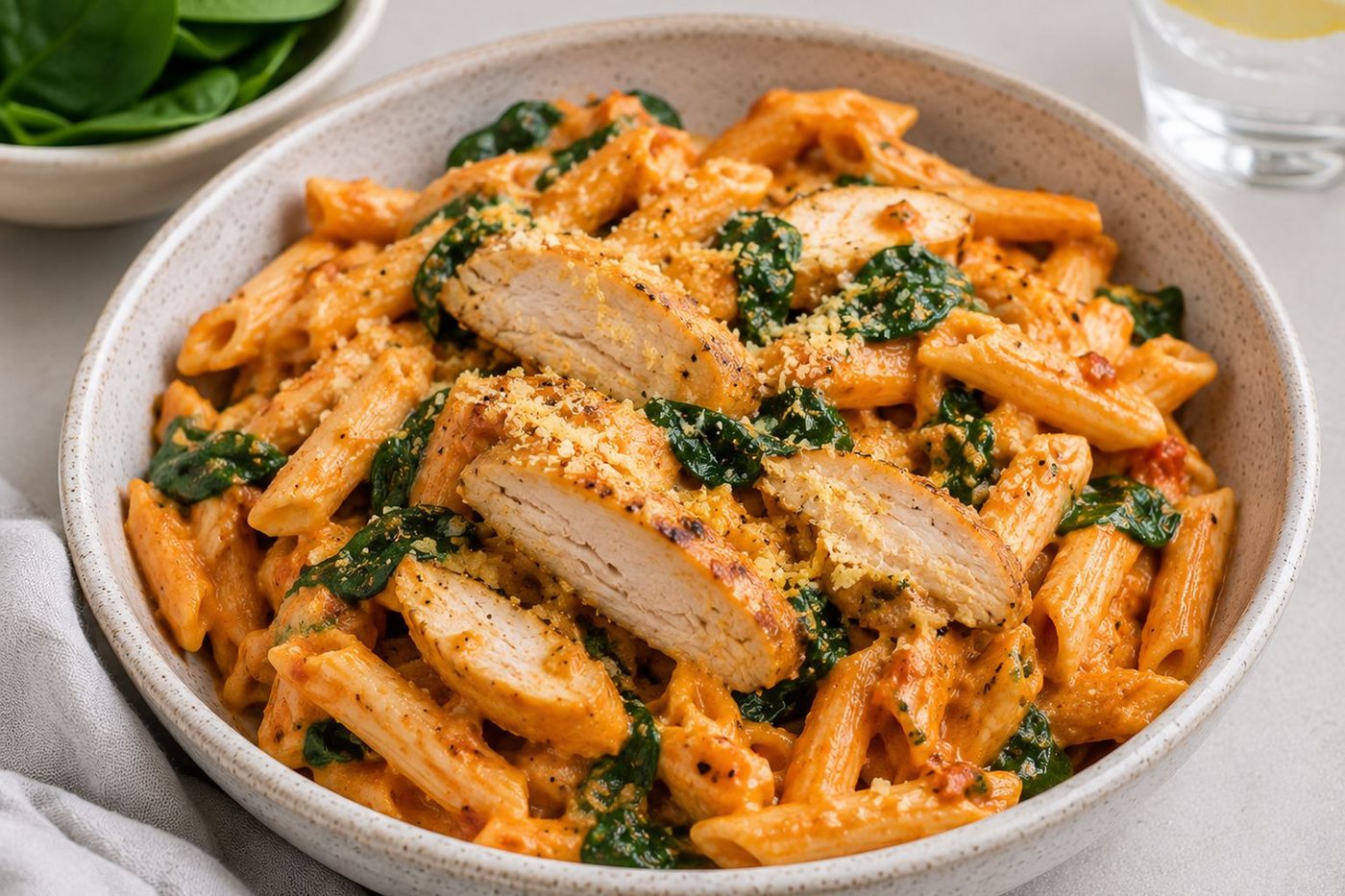
Creamy Harissa Chicken Chickpea Pasta
33 g net carbs · 973 mg sodium
30 g+ protein17 min
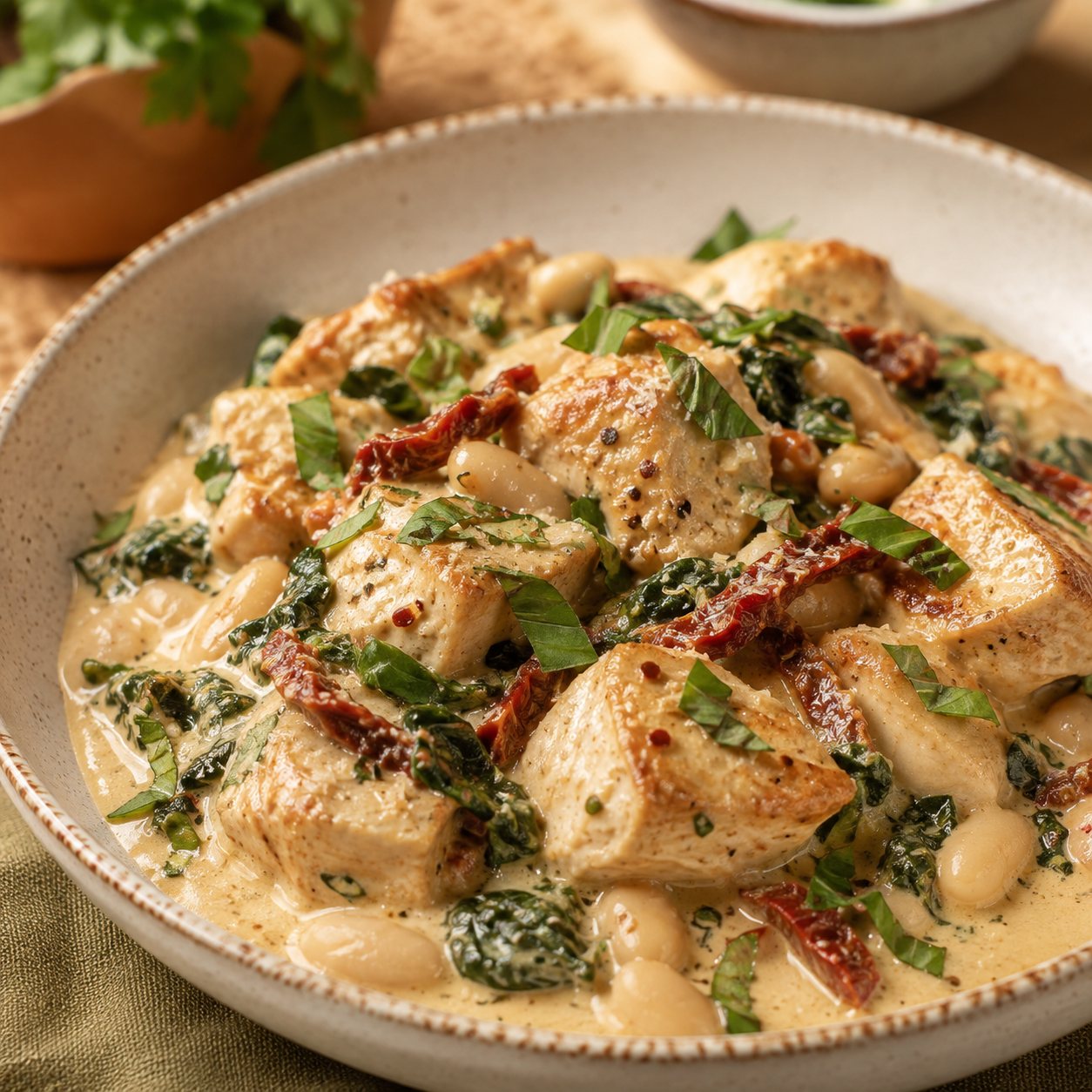
Creamy Tuscan Chicken with Spinach
25 g net carbs · 729 mg sodium
30 g+ protein8 g+ fiber
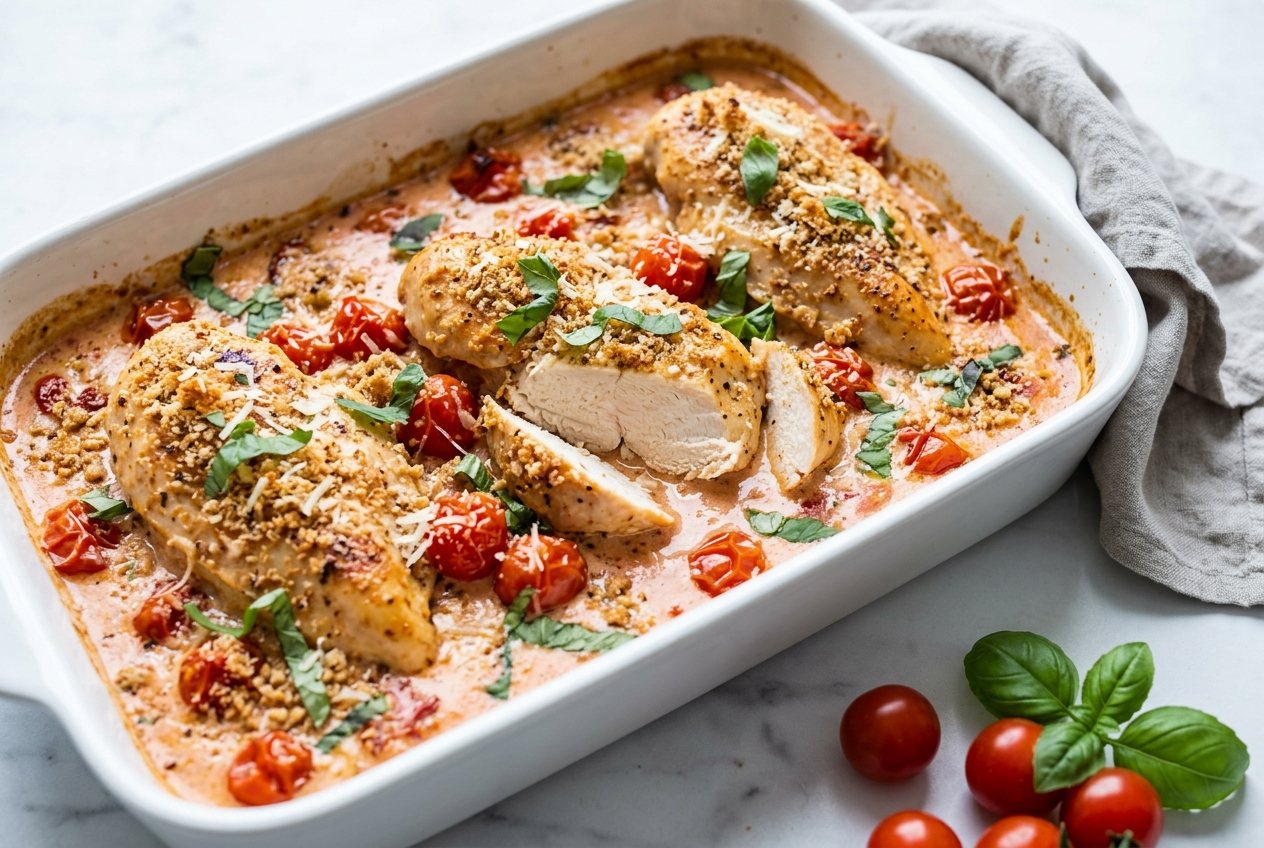
Marry Me Chicken Traybake
23 g net carbs · 295 mg sodium
30 g+ proteinunder 300 mg sodium
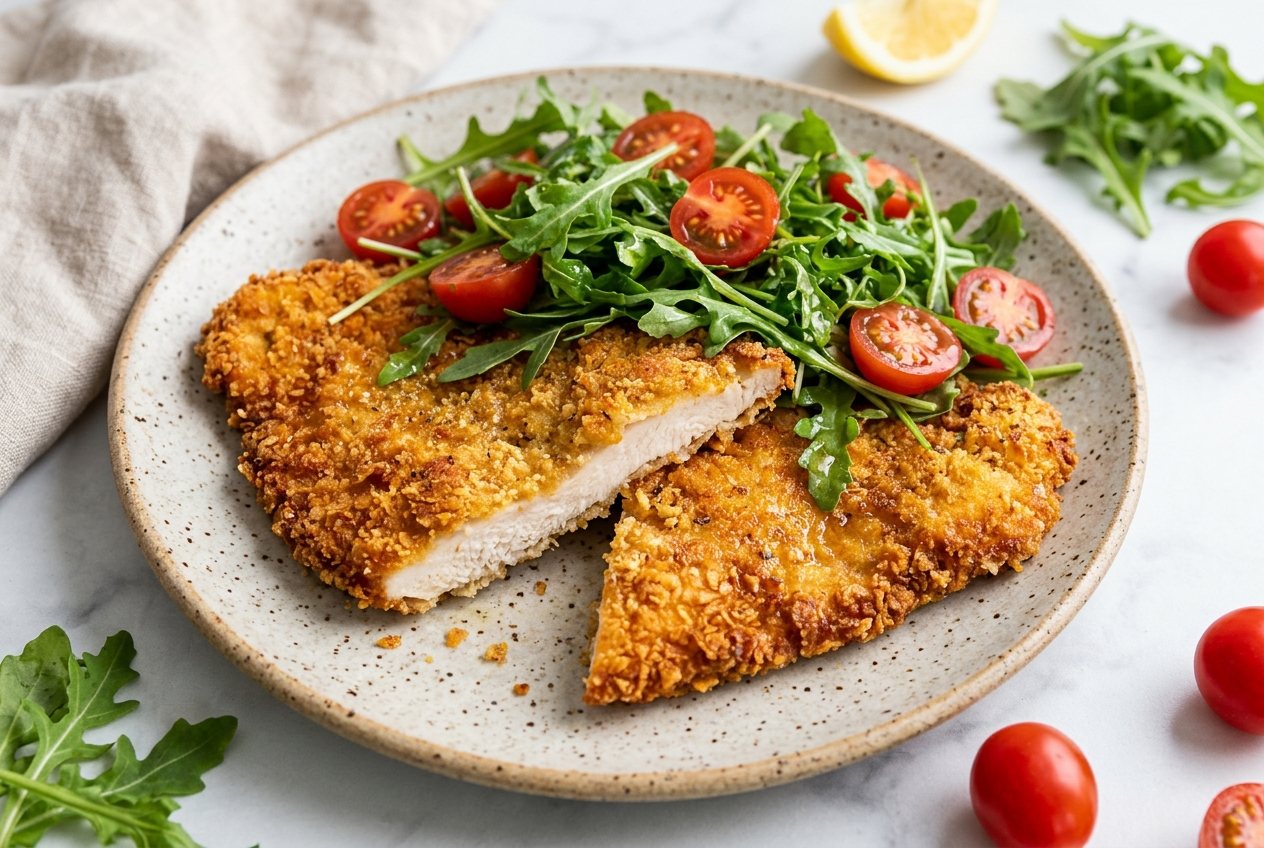
Crispy Chicken Milanese with Arugula & Tomato
8 g net carbs · 321 mg sodium
30 g+ proteinunder 10 g net carbs
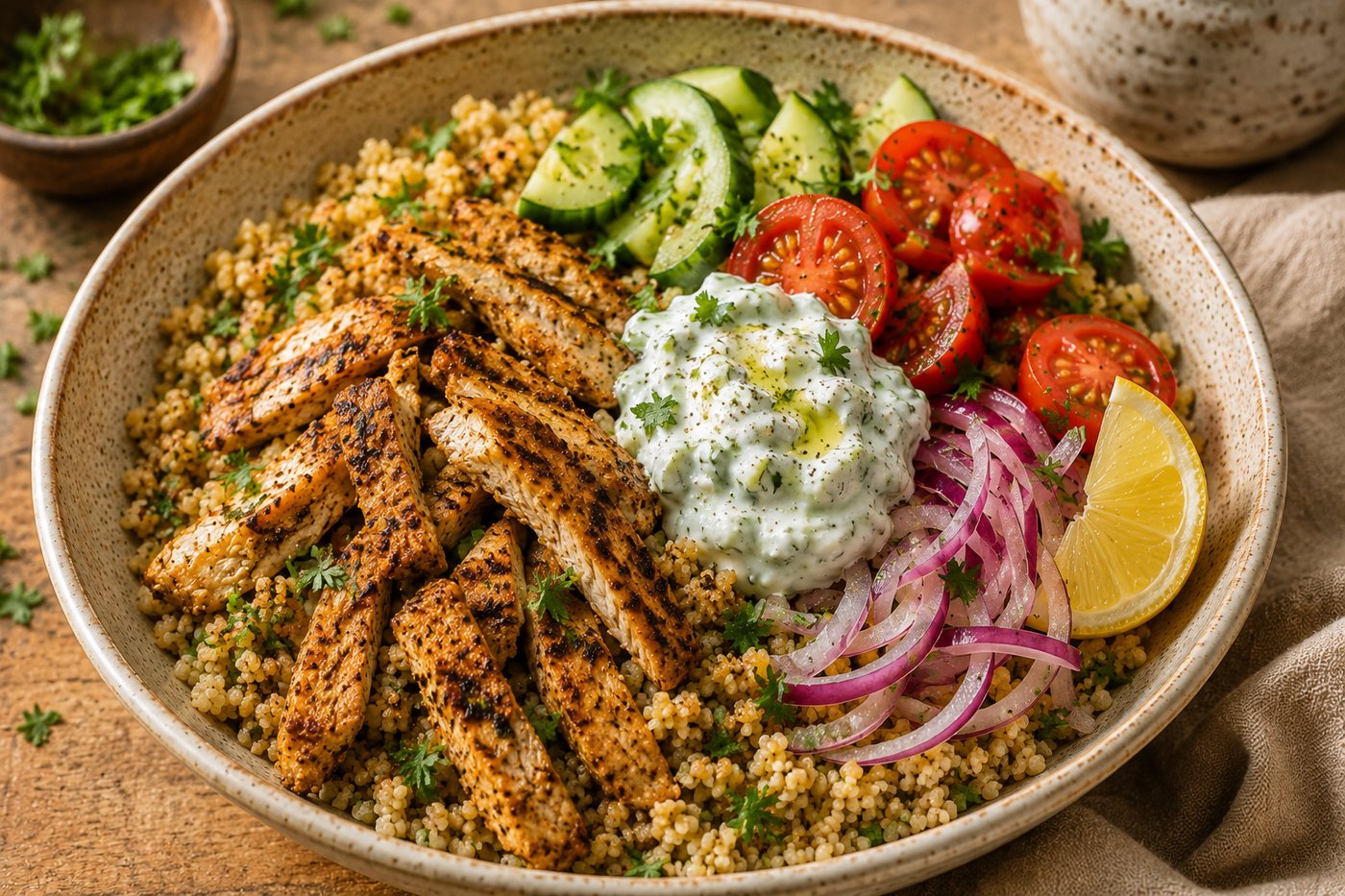
Turkey Shawarma Bowl with Tzatziki
35 g net carbs · 292 mg sodium
30 g+ proteinunder 300 mg sodium
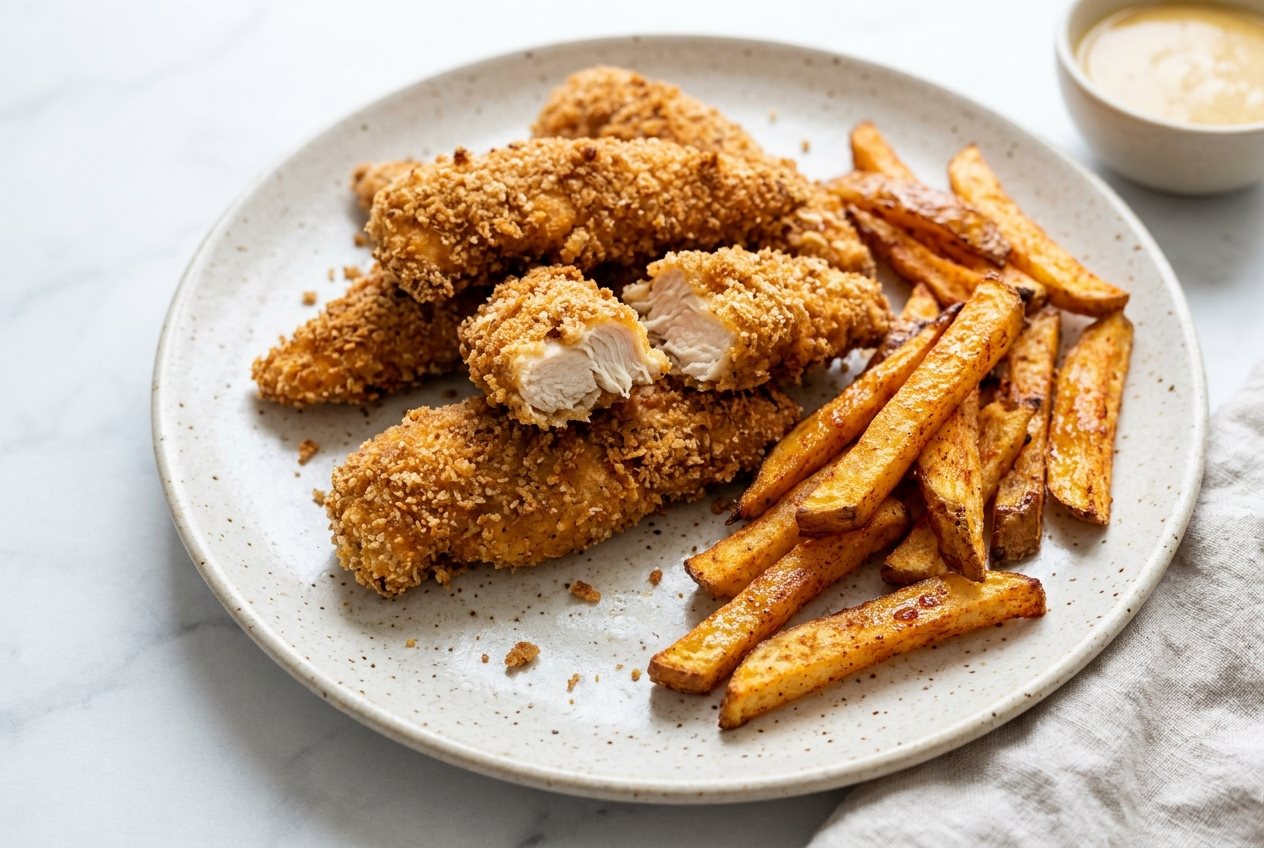
Crispy Oven Chicken Tenders & Oven Fries
39 g net carbs · 310 mg sodium
30 g+ protein
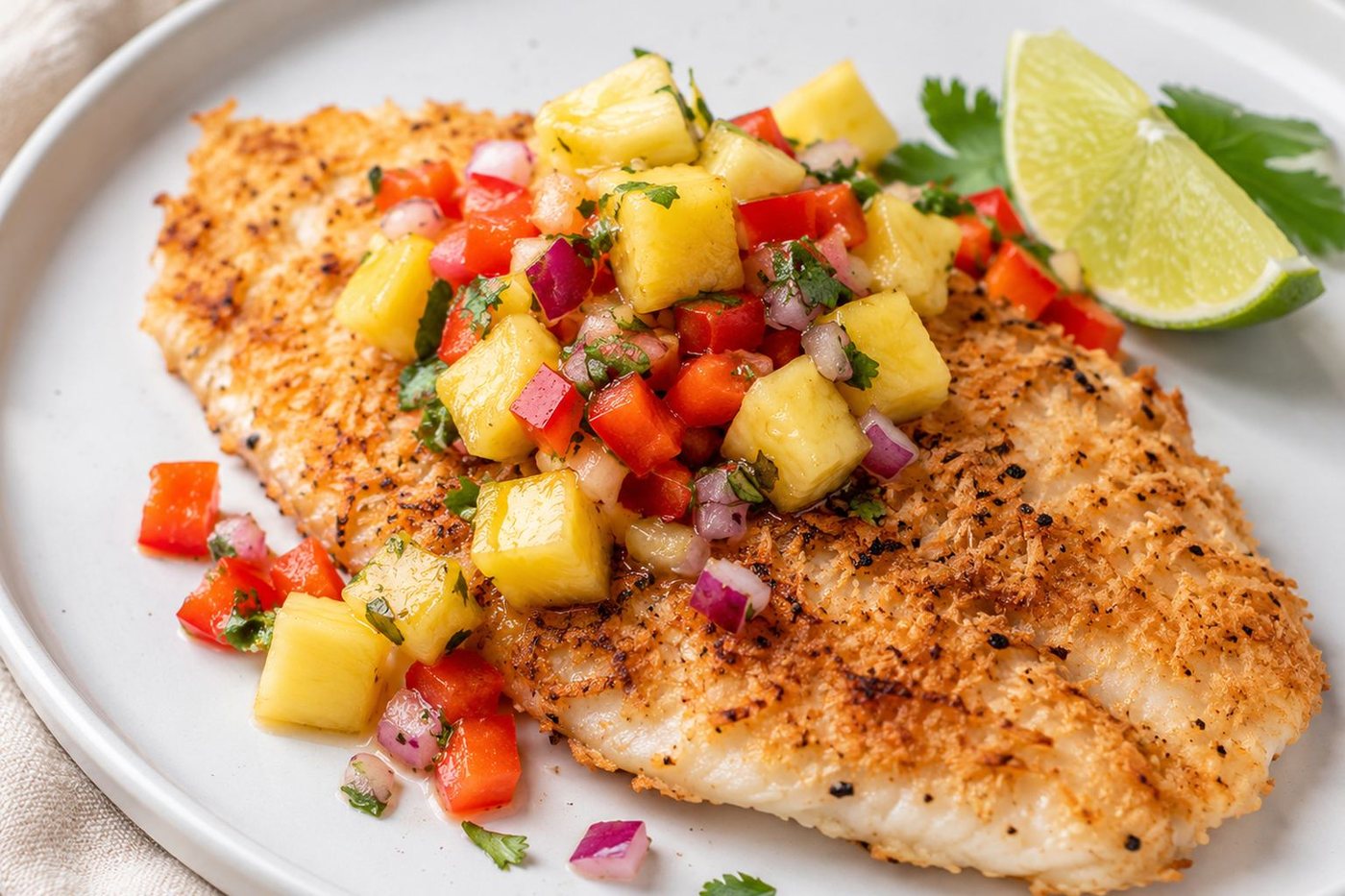
Coconut-Crusted Tilapia with Pineapple Salsa
10 g net carbs · 757 mg sodium
30 g+ proteinunder 10 g net carbs